


High Quality Wooden Pallets’s History History Of High Quality Wooden Pallets
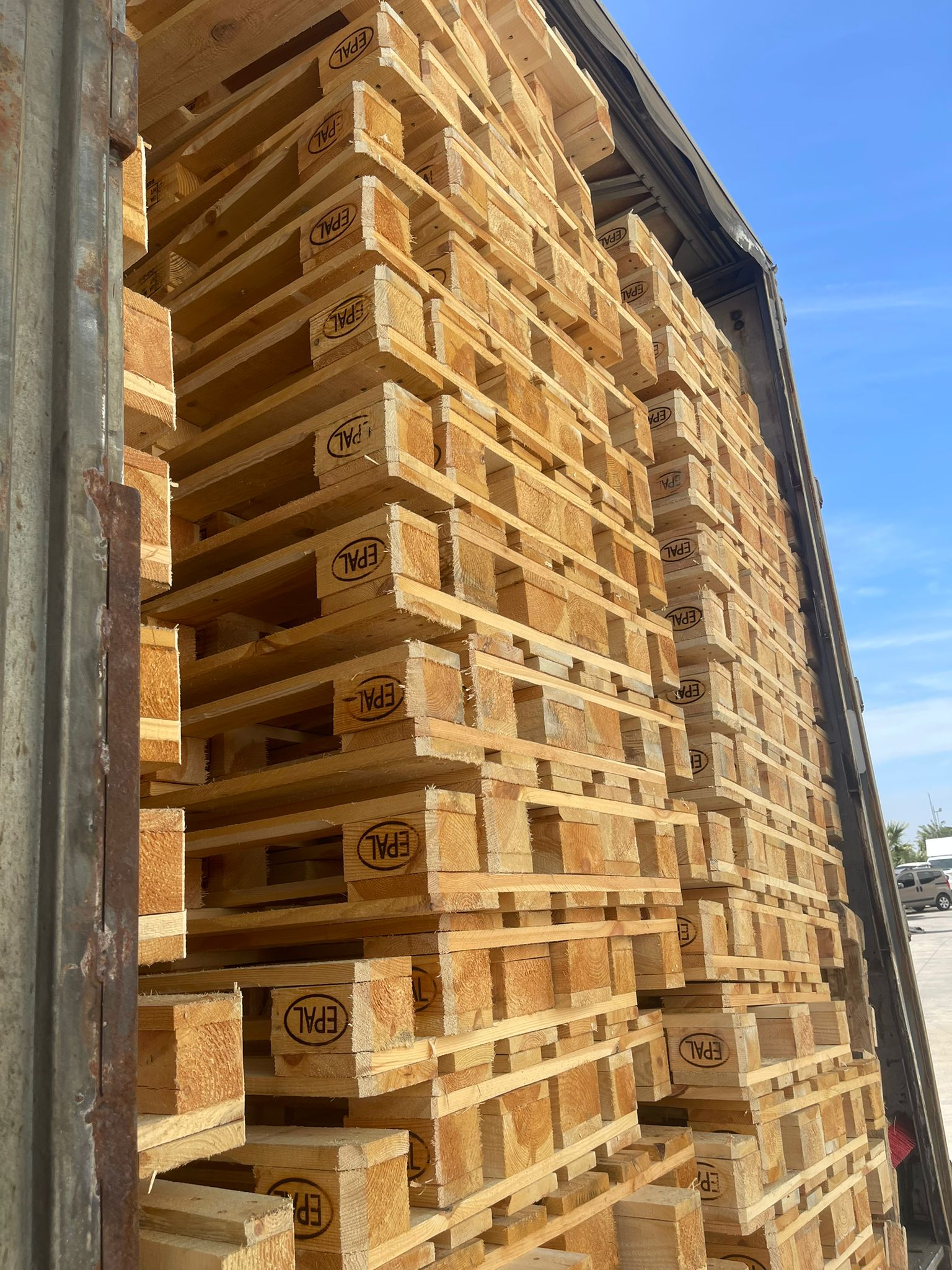
The Importance of High-Quality Wooden Pallets in Modern Logistics
Intro
Worldwide of logistics and supply chain management, the usage of pallets is an essential aspect that directly affects effectiveness, security, and cost-effectiveness. Among the numerous kinds of pallets offered, wooden pallets stay a popular option due to their durability, sustainability, and cost-effectiveness. Nevertheless, not all wooden pallets are created equal. Understanding the attributes and advantages of top quality wooden pallets can help services optimize their logistical operations.
Why High-Quality Wooden Pallets Matter
Top quality wooden pallets use a number of benefits over their lower-quality equivalents. These consist of:
- Durability: High-quality wooden pallets are built from robust products and created to stand up to significant weight and stress without breaking or faltering.
- Expense Efficiency: Although they may have a higher initial expense, high-quality wooden pallets can actually conserve money gradually through their durability and minimized replacement frequency.
- Eco-Friendly: Sourced from sustainable forests, high-quality wooden pallets are biodegradable and can be recycled or recycled, agronytradingllc aligning with the growing push for environmentally friendly packaging services.
- Regulative Compliance: For international shipping, top quality wooden pallets often meet required phytosanitary guidelines, decreasing the danger of transportation hold-ups.
Table 1: Comparison of Pallet Types
| Feature | High-Quality Wooden Pallets | Low-Quality Wooden Pallets | Plastic Pallets | Metal Pallets |
|---|---|---|---|---|
| Toughness | Really High | Moderate | High | Very High |
| Weight Capacity | Up to 2,000 lbs | As much as 1,000 pounds | Approximately 2,500 pounds | 3,000 pounds |
| Cost | Moderate to High | Low | High | Very High |
| Eco-Friendliness | Eco-friendly | Non-biomedical | Recyclable | Recyclable |
| Ideal Use | General storage and transport | Low-stakes applications | High-value products | Heavy freight |
Functions of High-Quality Wooden Pallets
When selecting premium wooden pallets, several key functions ought to be considered:
- Wood Grade: Quality wood types, such as hardwood or treated softwood, are more resilient and can carry heavier loads.
- Manufacturing Standards: Regulations such as ISPM-15 guarantee that wooden pallets are dealt with to prevent bug infestations.
- Design and Construction: Sturdiness can be guaranteed by trying to find pallets with a strong block design, instead of a stringer style, which might not offer the exact same weight assistance.
- Nail Quality: High-quality pallets use steel nails that are resistant to rust, guaranteeing the structural stability of the pallet over time.
Table 2: Key Features to Look for in High-Quality Wooden Pallets
| Function | Description |
|---|---|
| Wood Grade | Top-quality hardwood or treated softwood |
| Production Standards | Compliance with ISPM-15 policies |
| Design | Solid block vs. stringer design |
| Nail Quality | Usage of corrosion-resistant steel nails |
Benefits of Choosing High-Quality Wooden Pallets
Investing in high-quality wooden pallets uses various benefits, which can be summarized as follows:
- Increased Safety: High-quality pallets minimize the danger of damage throughout transport, which can result in injuries and item loss.
- Improved Efficiency: Stronger pallets help with more efficient managing with forklifts and pallet jacks, accelerating packing and dumping procedures.
- Better Stackability: High-quality wooden pallets are built to be more consistent in shapes and size, enabling efficient stacking and storage.
- Longevity: Businesses can count on top quality wooden pallets for duplicated use, minimizing the requirement for regular replacements and waste.
Disadvantages of Low-Quality Wooden Pallets
While low-quality wooden pallets might be less expensive, they feature a host of disadvantages, including:
- Shorter Lifespan: Lower-quality pallets might need to be changed faster than premium ones, increasing long-lasting expenses.
- Increased Risk of Damage: They are most likely to break under heavy loads, which can result in lost items and increased insurance expenses.
- Incompatibility with Regulations: Low-quality pallets may not meet required regulatory requirements for worldwide shipping, causing expensive hold-ups.
Frequently Asked Questions About Wooden Pallets
1. What is the typical life expectancy of a high-quality wooden pallet?
Premium wooden pallets can last between 5 to 10 years or more, depending upon use and upkeep.
2. Are all wooden pallets treated for bugs?
No, not all wooden pallets are dealt with. It is essential to try to find pallets that comply with ISPM-15 requirements to guarantee they are pest-resistant.
3. Can premium wooden pallets be recycled?
Yes, premium wooden pallets can be recycled or repurposed, making them an environmentally friendly choice for services.
4. How can I tell if a wooden pallet is of high quality?
Check the wood grade, check for constant sizing, look for corrosion-resistant nails, and validate compliance with manufacturing requirements.
5. Are premium wooden pallets worth the investment?
While the in advance cost might be greater, premium wooden pallets result in savings with time due to their resilience, minimized replacement requirements, and safety benefits.
In the realm of logistics, the option between quality and cost must always lean towards quality, particularly when it concerns wooden pallets. The advantages of investing in high-quality wooden pallets– from their sturdiness and safety to their eco-friendliness– far outweigh the possible savings from choosing lower-quality options. As businesses progressively search for ways to enhance their supply chain operations, comprehending the critical function played by premium wooden pallets is vital for success.
By recognizing the long-lasting benefits and aligning pallet options with general service techniques, companies can ensure that their logistical operations stay efficient, sustainable, and economical.