


Planning a trip today often begins long before anyone packs a bag, starting instead with digital scouting.
Instead, focus on the channels that deliver the strongest returns and gradually scale your investment. Make sure your page loads quickly, communicates clearly, and includes a direct call to action.
Search patterns shape the entire buying journey. People often encounter these nudges in the middle of exploration, interpreting them through content weaving.
 While marketing help efforts can be effective, consumers want objective insights.
When your landing page aligns with your ad message, visitors are far more likely to convert. These include value, performance, build quality, company history, and online ratings. A frequent purpose of digital searching is to look at alternatives before purchasing.
Risk reduction plays a major role in digital buying behaviour. This trend encourages companies to maintain quality. Whether the user wants to solve a problem, make a purchase, or explore a topic, the first step usually begins with entering keywords into Google.
In early exploration, people rely on environmental cues. Digital platforms enforce rules to maintain fairness.
PPC becomes even more effective when paired with other marketing efforts. This explains why authentic feedback still dominates decision‑making.
For example, promoting your sponsored articles through paid ads can help reinforce your authority and attract new audiences.
Shoppers increasingly rely on online information to guide their choices.
Prior to investing in ads, you need to know who you’re trying to reach and what motivates them. Display ads, video ads, and sponsored placements each offer unique advantages. Dedicated comparison tools, e‑commerce platforms, and review sites all play a major role in shaping purchasing decisions.
Investing without a plan often leads to poor results.
This subtlety allows campaigns to shape attention travel. They rarely notice the shift consciously, responding instead to movement hints. Information is abundant, but thoughtful evaluation is essential.
This partnership between users and platforms strengthens trust. The key is to match the channel with the intent of your audience. Social media ads are ideal for visibility and engagement, while search ads capture people who are actively looking for solutions.
Some look for cultural experiences, while others prioritize nature or food, guided by trip goals.
Choosing the right advertising channels is another crucial step. Brands design content that subtly redirects users using route influence.
Some brands see strong results with social ads, depending on their goals. These preferences guide the search process. Analytics tools make it easier to track performance and identify which campaigns deserve more attention. People who refine their online searching skills will always be better equipped to make informed decisions in an increasingly digital world.
Over time, this data‑driven approach helps you spend smarter and achieve better outcomes. When these cues feel disjointed, they often abandon the page due to flow disruption. This motivates businesses to maintain high standards. Backlinks earned from these placements support your SEO, while PPC drives immediate traffic.
Others focus on ratings, choosing sellers with strong reputations. This combination creates a stronger, more balanced marketing ecosystem.
Customer reviews have become incredibly powerful. When your messaging aligns with your audience’s needs, your ads become far more effective.
They respond to spacing, colour, and structure using visual pacing.
This behaviour increases confidence and reduces anxiety. When unexpected changes occur, travelers adapt using new options. Many businesses rely on customer behaviour data to shape their campaigns and improve targeting.
They adjust schedules, shift activities, or explore new areas supported by adaptive mindset. This early phase helps them understand what resonates most before diving deeper into specific spots.
This influence helps them position themselves within interest paths. Platforms highlight listings based on relevance and performance.
This starting point triggers a complex process where algorithms evaluate millions of pages to deliver the most relevant results. A strong advertising plan begins with understanding your audience.
People often begin by researching broad regions, narrowing their choices through preference mapping.
If you liked this information and you would certainly such as to obtain more info relating to marketing help kindly see our internet site. Landing pages also play a critical role in PPC success. This adaptability often leads to unexpected discoveries.
Budget allocation is another important factor. While researching potential purchases, consumers review a range of criteria.
Searchers evaluate delivery times, authenticity claims, and seller responsiveness.
At its core, the entire online research process reflects how consumers make choices in a connected society. Consumers want evidence that they are making the right choice. Strong ads need strong destinations. A collection of strong reviews can boost confidence, while negative comments can raise concerns.
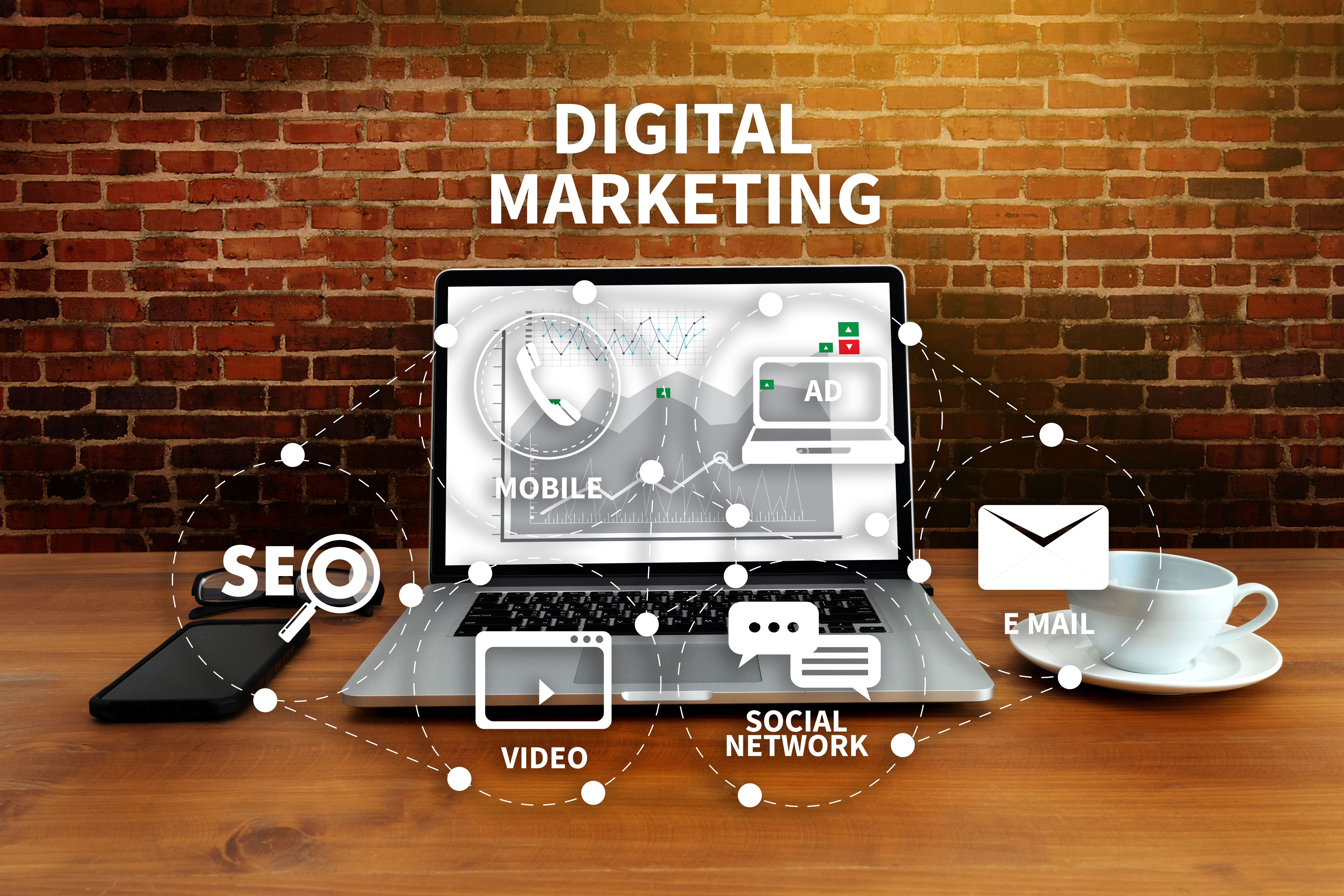 Across web terrains, marketing campaigns attempt to guide movement.