


Understanding Modafinil: A Complete Research Report
Modafinil, a wakefulness-selling agent, has garnered important consideration since its introduction in the late 1990s. Originally developed to treat narcolepsy, a sleep disorder characterized by extreme daytime sleepiness, modafinil has since been acknowledged for its potential cognitive-enhancing results and is continuously discussed in the context of off-label use, significantly among students, professionals, and people seeking to spice up their productiveness and focus. This report delves into the pharmacology, therapeutic uses, mechanisms of action, uncomfortable side effects, and moral concerns surrounding modafinil.
Pharmacology of Modafinil
Modafinil, chemically often called (±)-2-[(diphenylmethyl)sulfinyl]acetamide, is categorized as a eugeroic, which suggests it promotes wakefulness with out the everyday stimulant unwanted side effects associated with conventional amphetamines. The drug is available in various formulations, with a standard dosage of 200 mg taken orally. It’s quickly absorbed, with peak plasma concentrations occurring approximately 2-4 hours put up-administration. Modafinil has a half-life of about 12-15 hours, allowing for as soon as-daily dosing.
Mechanism of Motion
The exact mechanism of action of modafinil will not be fully understood, but it is believed to involve a number of neurotransmitter programs. Analysis means that modafinil primarily impacts the dopaminergic system by inhibiting the reuptake of dopamine, thereby rising its availability in the brain. Additionally, modafinil could influence the degrees of norepinephrine, serotonin, and histamine, contributing to its wakefulness-selling effects.
Research have indicated that modafinil enhances cognitive features reminiscent of attention, govt function, and memory. It is thought to exert these cognitive benefits by increasing the firing charge of neurons within the prefrontal cortex, a brain region critical for higher-order cognitive processes. Moreover, modafinil is believed to boost the brain’s response to stimuli, which may explain its use in varied cognitive enhancement contexts.
Therapeutic Makes use of
Modafinil is primarily permitted for the therapy of narcolepsy, sleep apnea, and shift work sleep disorder. In patients with narcolepsy, modafinil considerably reduces extreme daytime sleepiness and improves general wakefulness. For people with obstructive sleep apnea, modafinil is often used as an adjunct treatment to handle residual sleepiness despite the use of continuous optimistic airway pressure (CPAP) therapy.
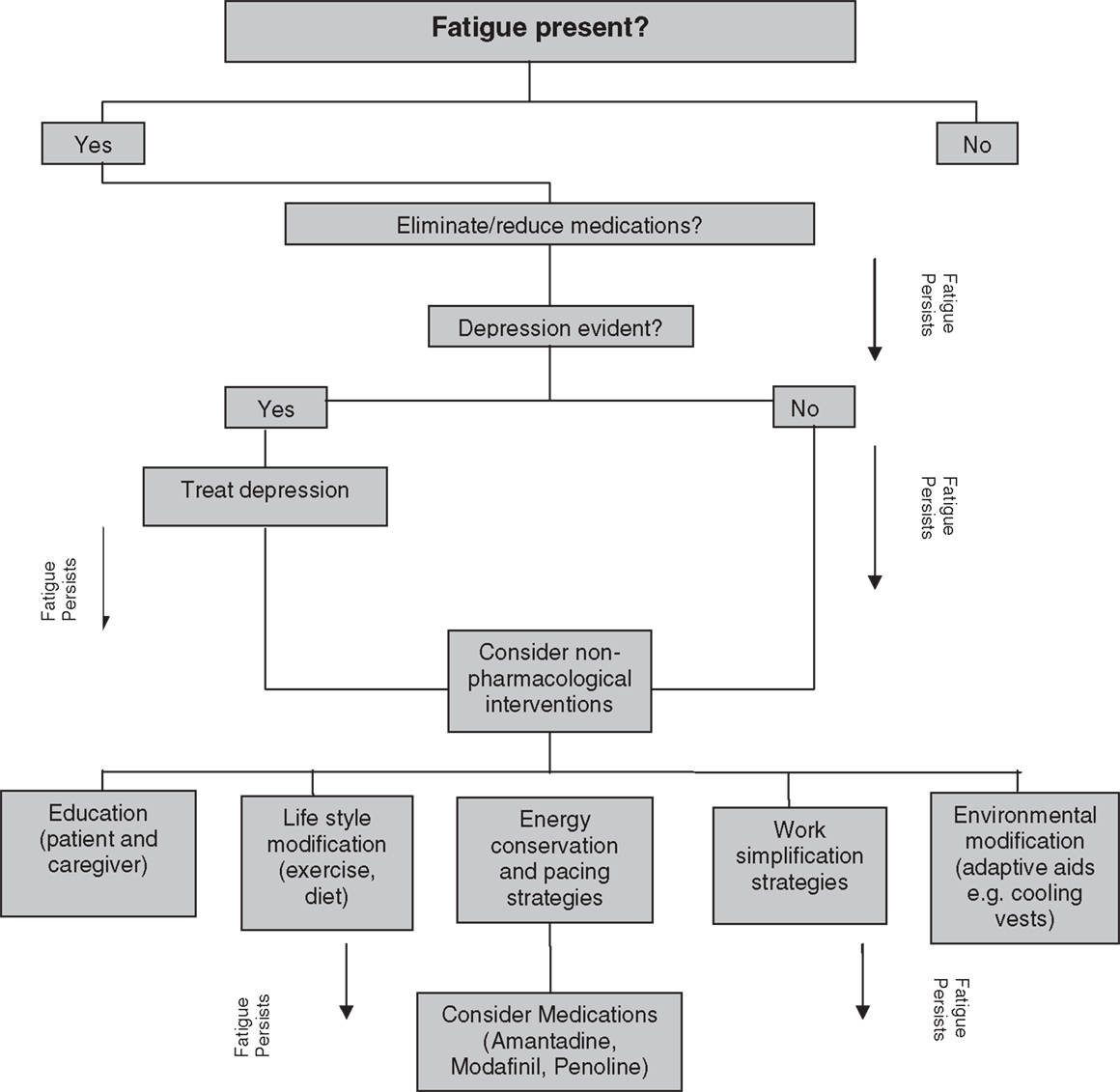
Along with its accredited uses, modafinil has gained reputation as an off-label remedy for attention deficit hyperactivity disorder (ADHD), depression, and multiple sclerosis-related fatigue. Nevertheless, the evidence supporting these makes use of varies, and further research is needed to establish its efficacy and safety in these populations.
Cognitive Enhancement and Off-Label Use
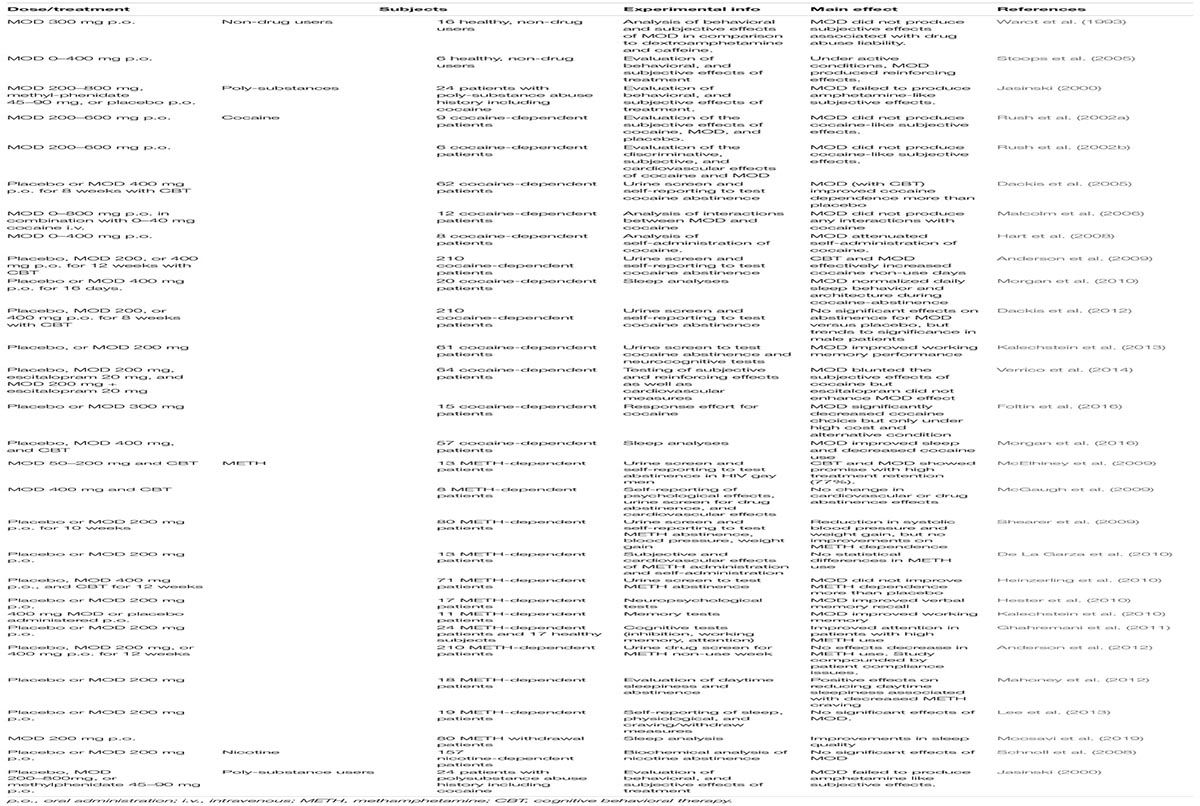
The burgeoning curiosity in modafinil as a cognitive enhancer has led to its off-label use among wholesome individuals looking for to enhance alertness, focus, and general cognitive performance. Quite a few studies have explored modafinil’s results on cognitive operate in healthy adults, with findings suggesting enhancements in duties requiring consideration, working memory, and executive operate.
Regardless of its potential advantages, the off-label use of modafinil raises ethical questions. The concept of using a pharmaceutical agent to enhance cognitive perform in wholesome individuals blurs the lines between therapy and enhancement. Critics argue that the usage of cognitive enhancers might lead to unfair benefits in academic and skilled settings, doubtlessly contributing to a culture of efficiency enhancement and dependency on pharmaceuticals.
Negative effects and Safety Profile
Whereas modafinil is mostly well-tolerated, it’s not with out side effects. Commonly reported antagonistic effects embody headache, nausea, anxiety, insomnia, and dizziness. Severe unintended effects, although uncommon, can occur, corresponding to severe pores and skin reactions (Stevens-Johnson syndrome) and cardiovascular issues. If you liked this write-up and you would certainly like to obtain additional info pertaining to buy modafinil online where (click hyperlink) kindly browse through the site. Individuals with a history of heart problems or high blood strain ought to exercise warning when considering modafinil.
Furthermore, the lengthy-term results of modafinil use, particularly in healthy individuals, stay largely unknown. The potential for psychological dependence, though thought of low, cannot be totally dismissed. Users should bear in mind of the risks related to off-label use and the importance of consulting healthcare professionals before initiating therapy.
Authorized and Regulatory Standing
Modafinil is categorised as a Schedule IV managed substance within the United States, reflecting its potential for abuse and the need for regulation. This classification permits for legal prescription and use beneath medical supervision while discouraging non-medical use. In some nations, modafinil is on the market over-the-counter, leading to concerns about misuse and the implications for public well being.
Conclusion
Modafinil represents an enchanting intersection of pharmacology, cognitive enhancement, and ethical considerations. Its primary role as a therapy for sleep disorders has paved the best way for broader discussions about its potential advantages and dangers in wholesome individuals. As the demand for cognitive enhancers continues to grow, additional research is essential to fully perceive modafinil’s results, long-term security, and the moral implications of its use in non-clinical populations.
In abstract, whereas modafinil holds promise as a software for selling wakefulness and enhancing cognitive function, individuals contemplating its use should method it with caution, fully informed of the potential risks and advantages. The continuing dialogue surrounding modafinil and related substances highlights the necessity for responsible use and a nuanced understanding of the implications of cognitive enhancement in trendy society.