
Why Incorporating A Word Or Phrase Into Your Life’s Activities Will Make All The An Impact
Understanding Ramps for Wheelchairs: A Comprehensive Guide
Wheelchair availability is necessary for promoting independence and mobility for individuals with specials needs or mobility challenges. Ramps play an important role in guaranteeing that individuals who utilize wheelchairs can navigate their environments securely and without barriers. In this blog site post, we will check out the significance of wheelchair ramps, the different types readily available, standards for installation, and regularly asked concerns about wheelchair ramps.
The Importance of Ramps for Wheelchairs
Ramps are important installations created to facilitate smooth shifts between various elevation levels. They not only boost mobility for wheelchair users but also improve accessibility for people using other mobility aids, such as walkers or crutches. Here are some essential reasons that ramps are essential:
- Improved Accessibility: Ramps offer wheelchair users the ability to access structures, homes, and public areas that may otherwise be off-limits due to stairs or uneven ground.
- Safety: Ramps decrease the risk of falls and mishaps related to browsing stairs, particularly for individuals who might deal with balance and mobility.
- Compliance with Regulations: Many countries have specific guidelines and guidelines aimed at ensuring ease of access for people with disabilities. Ramps help satisfy these legal requirements.
- Independence: By providing a safe means of access, ramps improve the self-reliance of wheelchair users, enabling them to navigate their surroundings without assistance.
Types of Wheelchair Ramps
Ramps can be found in various designs and materials to match a wide variety of environments and needs. Below is a summary of the most common types of wheelchair ramps:
| Ramp Type | Description | Perfect Use |
|---|---|---|
| Irreversible Ramps | Constructed from durable materials like concrete or wood and are suggested for long-term use. | Residential homes, public structures |
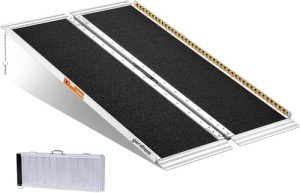
| Portable Ramps | Lightweight and developed for simple transportation and setup. Normally made from aluminum or fiberglass. | Temporary access at occasions, homes, or take a trip |
| Folding Ramps | Portable ramps that can be folded for easy storage and transportation; they can be found in adjustable lengths. | On-the-go ease of access |
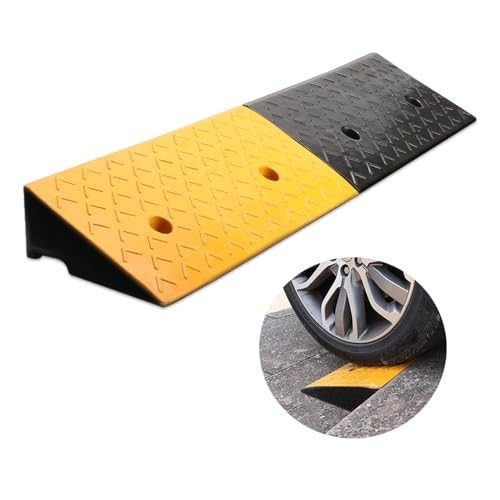
| Threshold Ramps | Short ramps created to bridge the space between a door and a flooring; useful for little steps. | Entry thresholds in homes or services |
| Car Ramps | Specifically developed for loading wheelchairs into cars; they can be foldable or expandable. | Vans, SUVs, and cars and trucks |
| Modular Ramps | Made from interlocking parts that can be customized for different heights and lengths; ideal for temporary or permanent access solutions. | Neighborhood centers, schools |
Elements to Consider When Choosing a Ramp
When choosing a ramp, it’s necessary to assess several elements to make sure safety and usability:
- Height: The height the ramp needs to cover.
- Length and Angle: Ramps must have a mild slope for ideal ease of use. The Americans with Disabilities Act (ADA) advises a 1:12 slope ratio (1 inch of height for every single 12 inches of length).
- Products: The product impacts weight capability, resilience, and upkeep.
- Weight Capacity: Always inspect the weight limitation of the ramp to ensure it can securely accommodate the user.
- Area: Indoor vs. outdoor usage might affect the kind of ramp selected.
Setup Guidelines
Establishing a wheelchair ramp requires cautious planning and adherence to guidelines laid out by the ADA and regional regulations. Here are some vital steps to keep in mind:
- Site Assessment: Evaluate the installation website for space, slope, and surface conditions. Make sure that the location is devoid of obstacles.
- Style Compliance: Follow local and state structure codes and ADA requirements for ramp measurements, consisting of width, slope, and landings.
- Landings: Ensure that landings at both the top and bottom of the ramp are flat and mymobilityscooters adequately large to allow for safe turning or navigating.
- Maintenance: Regularly examine the ramp for any indications of wear or damage. Guarantee that surface materials provide sufficient traction in various weather.
Regularly Asked Questions About Wheelchair Ramps
Q1: Are wheelchair ramps required by law?
Yes, lots of jurisdictions have laws requiring particular structures and public areas to be accessible to individuals with disabilities, consisting of the setup of wheelchair ramps.
Q2: How high can a wheelchair ramp be?
According to the ADA guidelines, the optimum slope allowed is 1:12 for wheelchairs, which equates to a one-inch increase for each 12 inches of ramp length.
Q3: Can a wheelchair ramp be installed on stairs?
Yes, wheelchair ramps can be created to accommodate stairs, but it may be necessary to consider the security of both the user and the structure.
Q4: What materials are best for outdoor wheelchair ramps?
For outdoor ramps, products like aluminum and dealt with wood are frequently chosen due to their durability and capability to withstand weather elements.
Q5: How much does a wheelchair ramp cost?
Expenses can differ considerably based upon the ramp type, materials utilized, and custom functions. Portable ramps may start at around ₤ 100, while long-term ramps can cost numerous thousand dollars depending upon style and installation.
Ramps are a vital asset for promoting accessibility for individuals utilizing wheelchairs and other mobility aids. Understanding your options, recognizing the value of proper setup, and sticking to safety guidelines are all necessary steps to enhance mobility and self-reliance. Whether a portable service is required for occasional use or a long-term ramp is required for regular access, choosing the best ramp can make all the distinction. With thoughtful planning and execution, ramps can change the method people navigate their environments, making the world a more inclusive location for everyone.