


The Gasoline Compressor Buy Mistake That Every Newbie Makes
The Ultimate Guide to Buying a Gasoline Compressor
When it comes to powering tools and devices for jobs, whether in construction, vehicle maintenance, Günstige Kompressorangebote; fun-With-kids.de, or DIY undertakings, a gasoline compressor can be a crucial possession. Gasoline compressors use the mobility of power needed in remote places without access to electric outlets. This thorough guide will explore the necessary factors to consider when buying a gasoline compressor, Luftkompressor Im Internet Kaufen offer a contrast table, and answer often asked concerns to assist make your acquiring choice easier.
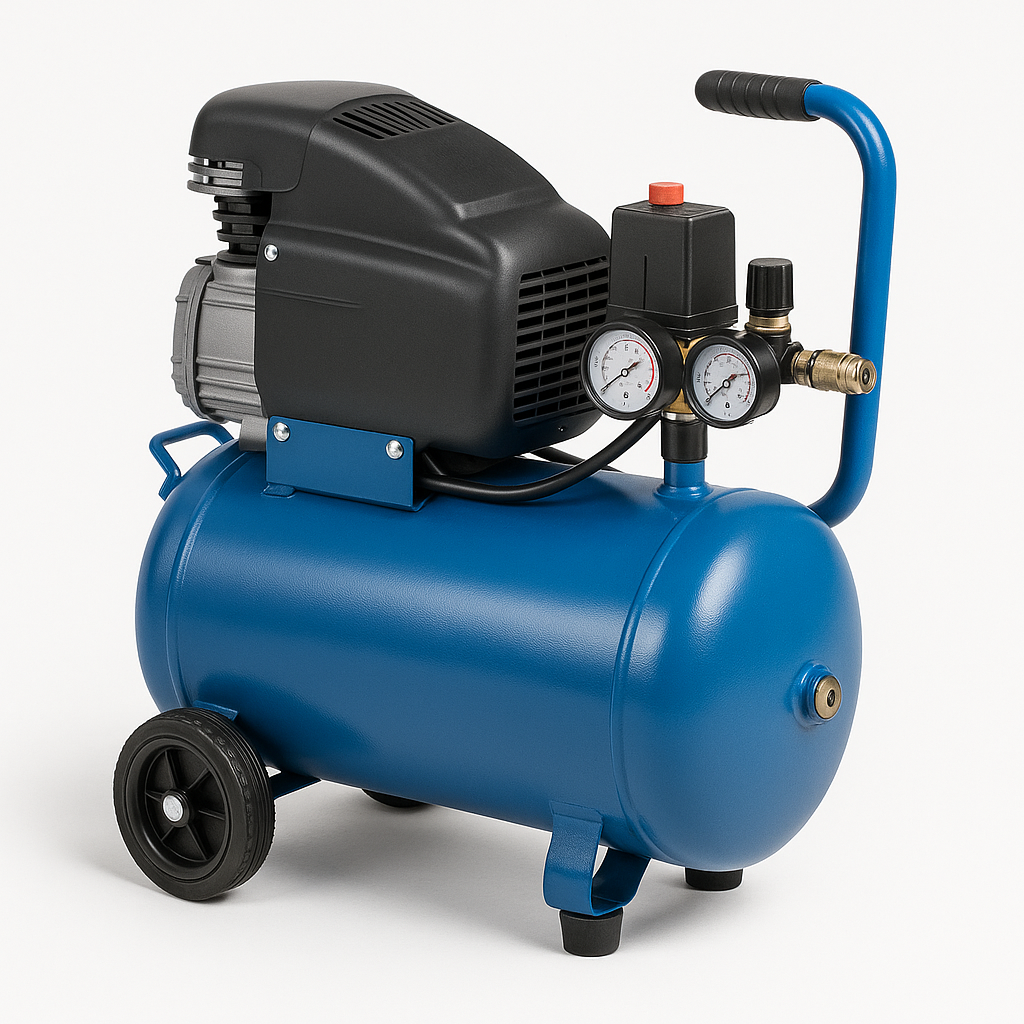
Why Choose a Gasoline Compressor?
Gasoline compressors are preferred for specific applications due to the fact that they supply:
- Portability: They can be used nearly anywhere, regardless of electrical gain access to.
- Power: Gasoline compressors normally have higher horsepower, enabling them to generate more compressed air compared to electric designs.
- Durability: Built to stand up to harsher environments, they can handle the needs of heavy-duty usage.
Key Considerations When Buying a Gasoline Compressor
1. Compressor Type
There are several types of gasoline compressors, each fit for different applications:
| Type | Description | Best For |
|---|---|---|
| Single Stage | Compress air in one stage utilizing a single cylinder. | Light-duty tasks and inflation. |
| 2 Stage | Compress air in 2 stages for greater pressures. | Heavy-duty jobs, nail weapons, and paint sprayers. |
| Rotary Screw | Utilizes rotating screws for continuous air supply. | Industrial applications requiring high volume and constant air flow. |
2. Compression Ratio
The compression ratio indicates how much the compressor can increase the pressure of the air. A greater ratio permits more powerful applications, so consider what jobs you’ll mainly be using the compressor for.
3. CFM Rating (Cubic Feet per Minute)
CFM measures the compressor’s air delivery capability. It is vital to match the CFM output of the compressor with the CFM requirements of the tools you will be utilizing.
4. Tank Size
The size of the air tank will figure out the length of time the compressor can run before it requires to fill up. Common tank sizes differ from 1 to 80 gallons. For intermittent tasks, a smaller sized tank may be enough, but for constant use, a larger tank is suggested.
5. Ease of Use and Maintenance
Consider functions like:
- Weight and portability: Ensure it can be quickly transported.
- Availability: Easy access points for maintenance will prolong the life of the compressor.
- Sound Level: Gasoline compressors can be loud; try to find designs that offer noise moistening technology.
6. Cost and Warranty
Establish a budget but keep in mind that a higher initial rate can often indicate better resilience and efficiency. Likewise, think about the warranty; a good warranty can conserve costs in the long run.
7. Brand Reputation
Research study the brand and read customer reviews to assess reliability and customer support. Relied on brand names typically offer better performance and service.
Advised Gasoline Compressors
Here’s a contrast of some popular gasoline compressors available in the market.
| Design | Type | Horsepower | CFM | Tank Size | Price Range |
|---|---|---|---|---|---|
| DeWalt DXCMLA1983054 | 2 Stage | 5.5 HP | 19 @ 90 PSI | 8 Gallons | ₤ 900 – ₤ 1200 |
| NorthStar Gas-Powered | Single Stage | 6.5 HP | 12.3 @ 90 PSI | 30 Gallons | ₤ 1100 – ₤ 1500 |
| Mi-T-M A-019-0151 | Rotary Screw | 10 HP | 34 @ 90 PSI | 50 Gallons | ₤ 2800 – ₤ 3500 |
| Stanley BCRS1 | Single Stage | 3.5 HP | 4.1 @ 90 PSI | 1.6 Gallons | ₤ 200 – ₤ 400 |
Buying a gasoline compressor can considerably enhance performance and efficiency in various tasks, whether at a job site or home workshop. By taking into consideration aspects such as compressor type, CFM, tank size, and brand credibility, consumers can make educated decisions that best match their requirements.
Regularly Asked Questions (FAQs)
1. What is the primary advantage of a gasoline compressor over an electric one?
Gasoline compressors are particularly beneficial for remote tasks where electric outlets are not readily available, offering greater portability and more powerful performance for heavy-duty jobs.
2. How do I keep a gasoline compressor?
Regular maintenance involves examining oil levels, altering the oil, cleaning up the air filter, and Kompressor Von Zu Hause Aus Kaufen; yolarealty.com.Ng, inspecting the hose pipes for Hydraulikkompressor Zu Verkaufen wear. Constantly describe the maker’s manual for specific maintenance guidelines.
3. Can a gasoline compressor power air tools?
Yes, as long as the CFM output of the compressor matches the requirements of your air tools. Guarantee compatibility to avoid destructive your devices.
4. Are gasoline compressors noisy?
Typically, gasoline compressors produce more noise than electric compressors. If sound is a concern, try to find designs specifically designed to minimize sound levels.
5. Is it safe to utilize a gasoline compressor indoors?
It is not advised to use gasoline compressors inside due to the threat of carbon monoxide poisoning. Always run them in well-ventilated locations outdoors.
6. Can I transform my gasoline compressor to electric?
Converting a gasoline compressor to an electric design is not practical due to distinctions in engine types and internal mechanics. It’s normally better to purchase an electric model if that’s what you need.
By understanding the numerous elements of gasoline compressors and how they can be used effectively, buyers can make much better choices that will serve their jobs and applications effectively. Whether for commercial or personal use, the best gasoline compressor can become an essential tool in your arsenal.